
How Fixing Late Payments Can Boost Your Credit Health Fast
Introduction Have you ever checked your credit report and noticed a late payment dragging down your score? You’re not alone. In fact, late payments are one of the most common reasons people with fair credit struggle to maintain or improve their credit health. Late payments can feel like a heavy burden, but understanding their impact and knowing how to address them can help you regain control. This article will walk you through what late payments really mean, why they matter, and practical steps to repair the damage and set you up for a stronger financial future. Understanding the Concept Late payments occur when you miss the due date on a loan, credit card, or other financial account. Even a single missed payment can be reported to credit bureaus and remain on your credit report for up to seven years, affecting your credit score during that time. Many people think a one-time late payment won’t impact their credit much or that minor delays don’t get reported. In reality, payments late by 30 days or more are usually recorded and can cause your score to drop significantly, sometimes by 60 to 110 points depending on your overall credit profile. This drop can raise your borrowing costs, reduce approval chances for loans or rentals, and increase insurance premiums. Beyond credit scores, late payments might trigger late fees and higher interest rates, adding financial stress. Step-by-Step Action Plan Review Your Credit Reports: Start by obtaining your free credit reports from the three bureaus. Identify all late payments and note their dates and accounts. This gives you a clear picture. Verify the Accuracy: Cross-check your records. If you spot errors, such as payments incorrectly marked late, dispute them with the credit bureaus to have inaccuracies corrected. Contact Your Creditor: Reach out to the lender or service provider involved. If your late payment was a recent, isolated mistake, request a goodwill adjustment to remove or update the late payment entry. Make Timely Payments Going Forward: Set up reminders or automatic payments to avoid future lateness. Consistently paying on time signals creditworthiness to lenders and credit scoring models. Consider Paying Down Balances: High credit utilization combined with late payments can further harm your score. Reducing balances can mitigate the damage and help your score recover faster. Monitor Your Progress: Regularly check your credit scores and reports to track improvements and catch any new issues early. Seek Professional Help if Needed: If late payments have severely damaged your credit, consult with reputable credit repair services like DSI Credit for customized strategies to improve your credit profile. Pro Tips and Common Mistakes Don’t Ignore Small Accounts: Even small late payments can accumulate and impact your credit over time. Avoid Re-aging Debts: Beware of offers promising to “re-age” your credit accounts; these can be scams or unethical and harm you in the long run. Use Payment Reminders: Leverage smartphone apps or calendar alerts to never miss due dates again. Prioritize Critical Accounts: Focus on major accounts like mortgages, car loans, and credit cards first, as late payments there have the greatest impact. Don’t Close Old Accounts: Older credit history can improve your credit score, so keep accounts open even after paying them off. Be Patient: Credit repair takes time. Improvements often appear gradually as negative marks age and positive behaviors build. Ask About Payment Plans: If you’re struggling financially, many creditors offer hardship programs that can prevent future late payments. Real-World Examples Case 1: Sarah missed a credit card payment by 45 days after unexpected medical expenses. She disputed a late payment entry that was inaccurately dated and successfully got it removed. By setting up autopay and reducing her card balance, her score improved by 45 points within four months. Case 2: Mike had several late utilities and loan payments reported over two years. After contacting creditors to negotiate payment plans and focusing on paying invoices on time, his credit reports reflected positive updates. With professional credit repair support, Mike saw gradual score increases and was approved for a mortgage pre-qualification. Conclusion Late payments can seem daunting, but they don’t have to define your credit journey. Understanding their impact, taking clear steps to address them, and practicing good habits can steadily improve your credit health. Remember: Review your reports, communicate with creditors, maintain on-time payments, and monitor progress. If you need personalized guidance, contact DSI Credit to discuss your unique situation and create a customized credit improvement plan. This content is for educational purposes only and does not constitute financial or legal advice. Credit repair results vary by individual based on unique circumstances. DSI Credit is a credit repair service company, not a law firm or financial advisory firm. For specific guidance related to your situation, please consult with a qualified professional.
Compare Top Credit Monitoring Tools to Protect Your Score
Introduction Have you ever wondered how closely your credit is being watched? With identity theft affecting millions annually, staying on top of your credit has never been more important. Credit monitoring tools make it easier to track changes and spot suspicious activity early. Many people hesitate to use these services because of cost or confusion about which tool is right. In this post, you’ll learn what credit monitoring entails, how to choose the best tool for your needs, and practical tips to make the most of these services. Understanding the Concept What is credit monitoring? Simply put, credit monitoring services track your credit report and alert you to significant changes—such as new accounts, inquiries, or changes in credit balances. They help you detect signs of fraud and maintain awareness of your credit health. Why does it matter? For people with fair to good credit (580-700), small changes can impact your score and loan approval chances. Early alerts allow you to address errors or fraudulent activity quickly, potentially minimizing damage. Common misconceptions: Some believe credit monitoring fixes credit problems—it doesn’t. It’s a tool to increase awareness. Others think it’s only for people with bad credit, but monitoring benefits anyone who wants to protect their financial health. Step-by-Step Action Plan Evaluate Your Needs: Determine what you want from a credit monitoring tool—basic alerts, identity theft protection, or credit score tracking. Identify your budget and the features most important to you. Research Options: Look at popular choices like Experian, TransUnion, Equifax, and independent services such as Credit Karma or myFICO. Compare their features, costs, and user reviews. Sign Up for a Trial: Many services offer free trials or basic free plans. Use these to experience the interface and alert frequency before committing. Set Up Alerts: Customize notifications for new accounts, hard inquiries, changes in balances, and public record updates. This ensures you don’t miss critical changes that could affect your credit. Regularly Review Reports: Even with alerts, schedule monthly reviews of your credit reports. Look for mistakes or unfamiliar accounts that could indicate identity theft or errors. Take Action When Needed: If alerted to suspicious activity or errors, act fast. Contact the credit bureau and creditors to dispute inaccuracies or report fraud. Reassess Annually: Your credit needs may change. Reevaluate your monitoring service yearly to confirm it still serves your goals well. Pro Tips and Common Mistakes Tip: Enable multi-bureau monitoring if possible, since different bureaus may report varied information. Tip: Use strong, unique passwords and enable two-factor authentication to protect your monitoring accounts. Tip: Combine credit monitoring with identity theft insurance if you want extra protection and peace of mind. Avoid: Relying solely on credit monitoring without regularly checking your credit reports manually. Avoid: Ignoring small alerts like balance changes or hard inquiries—they can be early warning signs. Insider Strategy: Monitor your credit utilization ratios closely, as these have a big influence on your credit score. Insider Strategy: Pay attention to pre-approved offer alerts, which can help you spot fraud or find new credit opportunities. Real-World Examples or Case Studies Scenario 1: Sarah, a 32-year-old with a credit score of 640, signed up for a free credit monitoring service. One day, she received an alert about a hard inquiry she did not recognize. Acting quickly, she contacted the lender and reported possible identity theft. This early warning saved her from unauthorized debt and gave her time to dispute and remove the inquiry. Scenario 2: James, age 45 and rebuilding his credit near 590, used a comprehensive monitoring tool that tracked his credit score changes monthly. By monitoring his credit utilization and addressing alerts about high balances, he improved his score by 50 points over six months, enabling a better interest rate on his auto loan. Conclusion Credit monitoring tools are valuable allies in maintaining and improving your credit health. Key takeaways include understanding what monitoring does, selecting the right service based on your needs, and acting promptly on alerts to protect your credit. Being proactive, combining monitoring with good credit habits, and reviewing your reports regularly can help you gain greater control and confidence in your financial future. Need personalized guidance? Contact DSI Credit to discuss your unique situation and create a customized credit improvement plan. This content is for educational purposes only and does not constitute financial or legal advice. Credit repair results vary by individual based on unique circumstances. DSI Credit is a credit repair service company, not a law firm or financial advisory firm. For specific guidance related to your situation, please consult with a qualified professional.
Co-Signing Loans: Weigh the Risks and Benefits Wisely
Introduction Have you ever been asked to co-sign a loan for a family member or friend? You’re not alone. Nearly 1 in 5 adults in the U.S. has co-signed a loan at some point, hoping to help someone secure credit they otherwise might not access. While co-signing can open doors for loved ones, it brings real risks that can impact your credit score and finances. This article explores these risks and benefits so you can make informed decisions and protect your financial future. We’ll dive into what co-signing really means, provide a clear action plan, share practical tips, and highlight real-world examples. By the end, you’ll be better prepared to decide when and how to co-sign responsibly. Understanding the Concept What is co-signing and why it matters? When you co-sign a loan, you agree to take equal responsibility for the debt. This means if the primary borrower misses payments, you are legally required to cover them. Co-signing helps the borrower qualify for loans with better terms or when they lack credit history. Common misconceptions include thinking co-signing is a simple favor with no consequences. In reality, it can affect your credit utilization, payment history, and debt-to-income ratio — all key factors in your credit score. The real impact can be significant. Late or missed payments get reported on your credit report, too, potentially lowering your score by 50 points or more. Furthermore, the added debt may limit your ability to borrow in the future or increase interest rates on your credit. Step-by-Step Action Plan Assess your financial ability: Before co-signing, review your budget and debts to confirm you can afford to cover payments if needed. Review the loan terms: Carefully read the loan agreement to understand payment amounts, due dates, and penalties. Check the borrower’s credit and history: Talk openly with the borrower about their credit habits and past payment behavior. Set clear expectations: Agree on how and when payments will be made to avoid surprises. Monitor loan status regularly: Use loan portals or request payment updates to stay informed about the borrower’s performance. Plan for contingencies: Have a backup strategy if the borrower misses payments, such as emergency savings or alternative income sources. Know how to remove your name: Explore options like refinancing or loan release clauses for eventually removing your responsibility. Pro Tips and Common Mistakes Always get the loan details in writing—avoid verbal agreements alone. Don’t co-sign more loans than you can realistically handle. Keep communication open and nonjudgmental with the borrower to catch issues early. Regularly check your credit report for unexpected negative marks tied to the loan. Avoid co-signing if you’re planning major purchases soon, like a home or car. Use certified mail or digital records when confirming agreements or payments. Consider co-signing only for trusted individuals with stable income. Real-World Examples Example 1: Sarah co-signed her brother’s car loan. He paid on time for the first year but then lost his job. Sarah stepped in to cover payments for six months, protecting both their credit scores. They agreed to refinance after he found a job, eventually releasing Sarah’s obligation. Example 2: Mark co-signed a student loan for a friend who later missed payments. Mark’s credit score dropped 60 points, and loan collections damaged his report for over a year. This experience taught Mark to set clearer boundaries and fully assess risks before co-signing again. Conclusion Co-signing loans can be a meaningful way to support loved ones but comes with financial responsibility and potential risks. Key takeaways include understanding your obligations, communicating clearly, monitoring loan activity, and having a plan for missed payments. Remember, co-signing can impact your credit health and borrowing power. Take time to weigh the benefits and risks carefully before saying yes. Need personalized guidance? Contact DSI Credit to discuss your unique situation and create a customized credit improvement plan. This content is for educational purposes only and does not constitute financial or legal advice. Credit repair results vary by individual based on unique circumstances. DSI Credit is a credit repair service company, not a law firm or financial advisory firm. For specific guidance related to your situation, please consult with a qualified professional.
Debt Consolidation Pros and Cons: Smart Steps to Manage Your Debt
Introduction Have you ever felt overwhelmed by multiple debts piling up and wondered if there’s a simpler way to manage them? You’re not alone. Millions of Americans juggle several credit card balances, loans, and other debts each month. Debt consolidation might sound like an easy fix, but is it the right choice for you? In this article, we’ll unpack what debt consolidation really means, its advantages and drawbacks, and practical steps to decide if it fits your financial goals. Understanding the Concept What is Debt Consolidation? Simply put, debt consolidation involves combining multiple debts into a single loan or payment. This approach is designed to make your debt easier to handle and often comes with lower interest rates or reduced monthly payments. Why It Matters: Consolidating debt can help simplify your finances, reduce stress, and potentially save money on interest over time. It can improve your ability to stay current on payments, which is crucial since payment history contributes approximately 35% to your credit score. Common Misconceptions: One myth is that consolidation immediately improves your credit score. While it can streamline payments, consolidating does not erase debt or repair poor credit instantly. Another misconception is that consolidation is right for everyone, but individual situations vary greatly. Understanding these facts helps you weigh the impact on your credit and budget more realistically. Step-by-Step Action Plan Assess Your Debt: List all your debts, including balances, interest rates, and monthly payments. This gives a clear picture of what you owe. (Timeframe: 1 day) Explore Consolidation Options: Research debt consolidation loans, balance transfer credit cards, or personal loans. Look for terms, fees, and eligibility requirements. (Timeframe: 1-2 weeks) Calculate Potential Savings: Use online calculators or work with a financial advisor to estimate interest savings and monthly payment changes. Example: Consolidating $10,000 in credit card debt at 20% APR into a loan at 12% APR can reduce monthly payments and total interest. Check Your Credit Score: Higher credit scores often qualify for better consolidation terms. You can obtain your free credit report to review your current score and identify errors. (Timeframe: 1 week) Apply for the Loan or Card: Submit your application to the chosen lender or credit card company, providing necessary documentation like income proof and existing debts. (Timeframe: 1-3 weeks) Make Payments on Time: Once consolidated, prioritize timely payments on the new loan or card to avoid penalties and further credit damage. Create a Budget and Financial Plan: Use your reduced payments as an opportunity to accelerate debt payoff or build emergency savings, preventing future reliance on credit. (Ongoing) Pro Tips and Common Mistakes Pro Tip: Always read the fine print for fees such as loan origination or balance transfer fees that can reduce your savings. Pro Tip: Consider the impact of consolidation on your credit utilization ratio; paying off credit cards with a personal loan may lower utilization and boost your score. Common Mistake: Avoid using consolidation as a reason to accumulate more debt on cleared accounts—this can worsen your situation. Common Mistake: Don’t ignore other financial habits; consolidation is a tool, not a cure-all. Pro Tip: Keep your old accounts open after consolidation when possible, as account age also factors into your credit score. Pro Tip: Regularly monitor your credit and payments to catch errors or missed payments early. Common Mistake: Choosing the shortest loan term without considering monthly budgets can lead to missed payments. Real-World Examples Consider Sarah, who had $8,000 spread across multiple credit cards with 18-22% interest rates. By consolidating into a personal loan at 14% interest, she reduced her monthly payments by $150 and kept more cash flow for essentials. Over 18 months, she stayed consistent, improving her credit score by 40 points thanks to on-time payments and lower utilization. Then there’s Jamal, who consolidated his debts but continued charging new expenses on his cards without budgeting. This increased his overall debt, offsetting the consolidation benefits and leading to added financial stress. Conclusion Debt consolidation can be a valuable strategy to simplify payments, reduce interest, and potentially improve credit management. However, it’s essential to understand the terms, assess your habits, and maintain disciplined budgeting to see benefits. Key takeaways: 1) Evaluate your debts carefully, 2) Explore options and read terms closely, 3) Avoid accumulating new debt after consolidation, and 4) Stay committed to on-time payments. Need personalized guidance? Contact DSI Credit to discuss your unique situation and create a customized credit improvement plan. This content is for educational purposes only and does not constitute financial or legal advice. Credit repair results vary by individual based on unique circumstances. DSI Credit is a credit repair service company, not a law firm or financial advisory firm. For specific guidance related to your situation, please consult with a qualified professional.
Rebuilding Credit After Foreclosure: A Clear, Practical Guide
Introduction Did you know that foreclosure can stay on your credit report for up to seven years, impacting your financial opportunities? If you’re recovering from a foreclosure, rebuilding your credit may seem daunting—but it’s far from impossible. Many people face the challenge of repairing credit after foreclosure and wonder where to start. This article breaks down what foreclosure means for your credit and offers a straightforward, step-by-step plan to bounce back. Whether you’re planning to rent, buy a home again, or simply want better loan terms, understanding how to rebuild credit is key to moving forward. Understanding the Concept Foreclosure occurs when a borrower fails to meet mortgage payments, prompting the lender to repossess the property. This event significantly impacts your credit score, often causing a steep drop of 100 points or more. The foreclosure record remains on your credit report for up to seven years, influencing lenders’ perceptions of credit risk. Despite this, a foreclosure doesn’t mean you cannot recover your creditworthiness. A common myth is that you’re permanently ‘blacklisted’ from obtaining credit or loans—but many people rebuild strong credit over time after foreclosure. The key is knowing how to manage your finances and credit behavior strategically. Besides credit scores, foreclosure affects your ability to qualify for new loans or rent property. It increases perceived risk, so lenders and landlords might request higher deposits or deny applications initially. But with focused effort, you can improve your credit profile and demonstrate financial responsibility anew. Step-by-Step Action Plan Check and Understand Your Credit ReportsStart by obtaining free copies of your credit reports from the three main bureaus: Equifax, Experian, and TransUnion. Review them carefully for accuracy, especially the foreclosure details, since errors can further harm your credit. Create a Realistic BudgetEstablish a budget that prioritizes paying bills on time, reducing debt, and saving an emergency fund. Stability in your finances shows lenders you’re managing money responsibly. Resolve Outstanding DebtsAddress any remaining debts linked to the foreclosure, such as deficiency balances. Contact creditors to negotiate manageable payment plans or settlements where possible. Build Positive Payment HistoryOpen or maintain credit accounts with good standing. Consider secured credit cards or credit-builder loans designed to establish positive credit activity. Always pay bills on time to build a strong payment track record—timely payments make up 35% of your FICO score. Limit New Credit ApplicationsAvoid applying for many new credit accounts at once, as multiple hard inquiries can lower your score. Instead, apply selectively and only when necessary. Keep Credit Utilization LowAim to use less than 30% of your available credit on revolving accounts like credit cards. This signals to lenders you’re not overextending yourself. Monitor Your Progress RegularlyTrack your credit scores and reports every few months to see improvements and catch any inaccuracies early. Many free tools allow personalized alerts and score updates. Pro Tips and Common Mistakes Tip: Use a secured credit card responsibly if you’re unable to qualify for traditional credit cards right away. Tip: Set up automatic payments to avoid missed due dates and late fees. Tip: Maintain older credit accounts open to benefit from longer credit history length, which positively impacts scores. Avoid: Closing all old accounts after foreclosure; instead, keep them active if possible to sustain credit age. Avoid: Ignoring your credit report errors—dispute inaccuracies promptly to prevent unnecessary damage. Strategy: Consider credit counseling services for personalized budgeting and debt management advice without high pressure. Strategy: Build an emergency fund to reduce reliance on credit during unforeseen expenses and demonstrate financial stability. Real-World Examples Case 1: After a foreclosure due to job loss, Maria checked her credit reports, corrected a mistaken late payment entry, and opened a secured credit card. Within 12 months of consistent on-time payments and keeping utilization under 20%, her credit score rose by over 60 points. Case 2: John faced foreclosure but negotiated a payment plan for remaining debts. He avoided multiple credit applications, focused on paying rent and utilities promptly, and started small installment loans. Within 18 months, he qualified for a conventional auto loan with reasonable interest rates, demonstrating rebuilding success. Conclusion Rebuilding credit after foreclosure is a journey that requires patience, consistency, and smart financial choices. Key steps include understanding your credit report, budgeting wisely, paying down debts, and demonstrating positive credit use. Avoiding common pitfalls like multiple new credit inquiries and ignoring report errors will keep your progress steady. Remember, while foreclosure initially impacts your credit severely, many people recover fully over time with strategic action. Need personalized guidance? Contact DSI Credit to discuss your unique situation and create a customized credit improvement plan tailored to your goals. This content is for educational purposes only and does not constitute financial or legal advice. Credit repair results vary by individual based on unique circumstances. DSI Credit is a credit repair service company, not a law firm or financial advisory firm. For specific guidance related to your situation, please consult with a qualified professional.
Secured vs Unsecured Credit Cards: Which Fits Your Credit Journey?
Introduction Did you know that nearly 45% of American adults have credit scores considered fair or below? If you’re among those trying to build or rebuild credit, navigating the world of credit cards can be overwhelming. One common question is whether a secured or unsecured credit card is the better choice. This article will demystify these two types of credit cards, explain their benefits and drawbacks, and guide you through an easy-to-follow plan to make a confident decision that supports your financial goals. Understanding the Concept What Are Secured and Unsecured Credit Cards? A secured credit card requires a cash deposit that typically becomes your credit limit. This deposit reduces the lender’s risk and can make these cards easier to get if you have poor or no credit. On the other hand, an unsecured credit card does not require a deposit but generally requires better credit history since you’re essentially borrowing money without collateral. Why Does This Matter? Your choice influences how easily you qualify, your credit-building pace, and your overall financial flexibility. Common Misconceptions include thinking secured cards are just for people with bad credit or that they don’t report to credit bureaus. In reality, many secured cards report your activity to all three major credit bureaus, playing a vital role in building your credit score when used responsibly. Impact on Credit Scores and Finances Both card types, when used wisely, can improve your credit score by demonstrating responsible borrowing and timely payments. However, secured cards may involve an upfront cost (the deposit), while unsecured cards might come with higher interest rates or fees if your credit is less than stellar. Step-by-Step Action Plan Assess Your Current Credit: Obtain a free credit report to understand where you stand. Look for your credit score range and any negative marks. Set Clear Credit Goals: Decide whether you want to rebuild credit, start building from scratch, or access larger credit limits. Research Card Options: Compare secured and unsecured cards, focusing on fees, interest rates, and credit reporting practices. For example, some secured cards have refundable deposits and low fees. Apply Thoughtfully: Choose a card that fits your score and financial situation. For credit scores below 620, secured cards are often more accessible. Use Your Card Responsibly: Keep your balance below 30% of your limit and pay your bill on time each month to build positive credit history. Monitor Your Credit Progress: Regularly check your credit score to see how your usage impacts it. Give it at least 3-6 months to note meaningful changes. Transition When Ready: Once your credit improves, consider upgrading from a secured to an unsecured card for more benefits and higher limits. Pro Tips and Common Mistakes Tip: Always pay your balance in full if possible to avoid interest charges. Tip: Use automated payments to never miss a due date. Tip: Keep your credit utilization low—ideally under 30%—to demonstrate responsible use. Avoid: Applying for multiple cards in a short period, which can temporarily lower your credit score. Avoid: Treating your card like a borrowing lifeline—only spend what you can repay promptly. Tip: Consider cards that report to all three credit bureaus for the best credit-building impact. Tip: If you start with a secured card, ask your issuer after 6-12 months about upgrading options. Real-World Examples Example 1: Sarah had a credit score of 590 and was declined for most unsecured cards. She applied for a secured card with a $500 deposit. By keeping her utilization at 25% and making on-time payments, her score rose to 650 in 9 months. This allowed her to switch to an unsecured card with better rewards. Example 2: David held an unsecured card but struggled with high balances and missed payments. After careful budgeting and switching to a secured card to reset his credit habits, his score gradually improved, showing how secured cards can support credit rebuilding. Conclusion Choosing between secured and unsecured credit cards depends on your current credit profile and financial goals. Remember these key takeaways: Secured cards are a practical starting point for rebuilding or establishing credit through a deposit. Unsecured cards require better credit but offer more flexibility and often rewards. Responsible card use—on-time payments and low balances—is the core of credit improvement. Regular monitoring and gradual upgrading support long-term financial health. Need personalized guidance? Contact DSI Credit to discuss your unique situation and create a customized credit improvement plan. This content is for educational purposes only and does not constitute financial or legal advice. Credit repair results vary by individual based on unique circumstances. DSI Credit is a credit repair service company, not a law firm or financial advisory firm. For specific guidance related to your situation, please consult with a qualified professional.
Debt Consolidation: Pros and Cons You Need to Know
Introduction Are you juggling multiple debts and wondering if debt consolidation could be the solution? You’re not alone—millions of Americans face mounting debt, with the average household owing over $90,000 in combined debts. Struggling with payments can feel overwhelming, and finding a clear path forward is crucial. In this article, you’ll learn what debt consolidation really means, its benefits and potential downsides, and practical steps to decide if it’s right for you. Empower yourself with knowledge to handle your debt smarter and boost your financial confidence. Understanding the Concept What is debt consolidation? Simply put, it’s the process of merging multiple debts—like credit cards, personal loans, or medical bills—into a single payment, often with a lower interest rate. This can make managing debt simpler and potentially less costly. Why does it matter? Many people believe consolidating debt automatically improves credit scores or eliminates debt faster. However, it’s important to understand that consolidation doesn’t erase debt—it restructures it. How it impacts your credit depends on your payment habits and the terms of the consolidation. Common misconceptions include: Consolidation reduces totals instantly (it doesn’t); it eliminates the need for budgeting (still needed!); it’s always cheap (interest rates vary). Understanding these points helps set realistic expectations and keeps your financial goals in focus. Step-by-Step Action Plan List your debts and interest rates. Gather recent statements to know exactly what you owe and at what rates. This forms the foundation of your debt consolidation plan. Check your credit report. You can get a free copy annually from major bureaus. This step helps identify any errors and shows your current credit standing, which lenders consider for consolidation options. Research consolidation methods. Common options include personal loans, balance transfer credit cards, or home equity lines of credit. Compare interest rates, fees, and terms carefully. Calculate monthly payments and total costs. Use online calculators to see what payments look like under each method and how long it will take to pay off your debt. Apply for the best option. Submit applications prepared with your financial documents and follow lenders’ instructions. Set up automatic payments. To avoid missed payments, automate your monthly consolidation payment. Create a budget to avoid new debt. Consolidation frees up mental space but sticking to a budget keeps your path sustainable. Pro Tips and Common Mistakes Tip: Choose consolidation products with fixed interest rates for predictable payments. Tip: Check for any prepayment penalties before signing agreements. Tip: Keep old accounts open if possible; sudden account closures can impact your credit utilization ratio. Mistake to avoid: Adding new credit card debt after consolidating—this can worsen your financial situation. Mistake to avoid: Ignoring the fine print on fees or introductory rates that can increase later. Strategy: Consider credit counseling services for additional support—not a quick fix but a valuable resource. Strategy: Regularly review your credit score to track progress and adjust plans accordingly. Real-World Examples Example 1: Sarah had credit card balances totaling $12,000 at rates between 18-24%. She consolidated with a personal loan at 12%, lowering her monthly payment by $150 and simplifying management. Over 24 months, she saved roughly $1,000 in interest but remained disciplined to avoid new debts. Example 2: Mike used a balance transfer card with a 0% APR for 18 months to consolidate $8,000. He paid aggressively to clear the balance before the introductory period ended. However, he underestimated the transfer fees and ended up paying more upfront. This highlights the importance of careful calculations. Conclusion Debt consolidation can be a helpful tool to manage multiple debts, reduce interest costs, and simplify payments. Key takeaways include understanding that consolidation restructures but does not erase debt, evaluating your options carefully, and staying committed to budgeting and responsible credit use. Remember, the best approach is one tailored to your unique financial situation. Need personalized guidance? Contact DSI Credit to discuss your needs and create a customized credit improvement plan designed just for you. This content is for educational purposes only and does not constitute financial or legal advice. Credit repair results vary by individual based on unique circumstances. DSI Credit is a credit repair service company, not a law firm or financial advisory firm. For specific guidance related to your situation, please consult with a qualified professional.
Authorized User Tradelines Explained: Boost Your Credit Wisely
Introduction Have you ever wondered if there’s a smart way to improve your credit score without opening a new credit account? Adding yourself as an authorized user on someone else’s credit card, known as an authorized user tradeline, could be a strategy worth exploring. While it might sound complicated, understanding this approach can open doors to better credit opportunities. Many people struggle with credit challenges, and finding reliable methods to enhance credit scores can feel overwhelming. In this article, you’ll discover exactly what authorized user tradelines are, how they impact your credit, practical steps to use them effectively, and tips to avoid common pitfalls. Understanding the Concept What is an authorized user tradeline? When you become an authorized user on someone else’s credit card account, that account’s payment history and credit utilization can appear on your credit report. This can positively influence your credit score if the account has a strong history. It’s important to note that as an authorized user, you aren’t legally responsible for charges on the account, but you gain the potential benefit of the account’s credit profile. Why does it matter? Credit scores play a crucial role in everyday financial life, from interest rates to loan approvals. For people with fair credit scores, adding a positive tradeline can sometimes provide a noticeable uplift. But misconceptions abound. Common myths: Some believe that simply being added instantly guarantees score improvements or that all authorized user accounts report to credit bureaus the same way. In reality, the impact depends on the primary account’s payment history, account age, credit utilization, and how credit bureaus treat authorized user data. For example, if the primary cardholder has a long history of timely payments and low balances, your credit score may benefit. However, if the account has missed payments or high balances, it could harm your credit instead. Understanding these nuances helps you make informed decisions. Step-by-Step Action Plan Identify a trusted primary account holder: This could be a family member or close friend with excellent credit habits. The goal is to connect with someone whose card history will positively reflect on your report. Discuss expectations clearly: Ensure both parties understand that you aim to improve your credit and are not responsible for charges. Transparency prevents misunderstandings. Request addition as an authorized user: The primary holder contacts their credit card issuer to add you as an authorized user, typically via their online account or customer service. This process can take a few days to weeks to reflect on credit reports. Monitor your credit reports: After being added, check your reports from the major bureaus (Experian, Equifax, TransUnion) to confirm the tradeline appears. This can take 30-60 days depending on the issuer and reporting cycles. Maintain vigilance: Keep an eye on the primary account’s status. Late payments or increased balances could negatively impact your credit. Consider setting reminders to periodically review the account. Evaluate results over time: Credit improvements from authorized user tradelines are often gradual. Track your credit scores monthly to assess progress. Remember, this method complements other credit-building steps like timely payments on your own accounts. Plan next steps wisely: When ready, you can discuss removal if needed or explore additional authorized user tradelines. Always weigh the benefits against any risks to your credit profile. Pro Tips and Common Mistakes Choose primary accounts with long, solid histories: Older accounts with a consistent 0-30% credit utilization and no late payments offer the best benefits. Beware of high balances: A card with 90% utilization can actually hurt your score as an authorized user. Use multiple tradelines cautiously: More isn’t always better; quality beats quantity when it comes to tradelines. Don’t rely solely on authorized user tradelines: Continue building your own credit profile with responsible use of credit cards, loans, and on-time payments. Check if the credit card issuer reports authorized users to all three bureaus: Not all issuers report consistently, which can limit the tradeline’s impact on your credit report. Avoid unauthorized or paid tradelines that seem too good to be true: Some offers carry risks or may not comply with credit bureau guidelines. Communicate regularly with the primary account holder: Keeping the relationship open helps prevent surprises and maintains trust. Real-World Examples or Case Studies Consider Sarah, a 32-year-old with a credit score of 620. She became an authorized user on her mother’s credit card account, which has a 15-year history of on-time payments and low balances. Within three months, Sarah saw her credit score rise to 660, which helped her qualify for a better auto loan rate. On the other hand, Mike, aged 40, added himself as an authorized user on a friend’s card with a high balance and a recent late payment. Instead of improving, Mike’s score dropped, teaching him the importance of choosing the right primary account to join. Conclusion Authorized user tradelines can be a useful tool for those looking to enhance their credit score, especially when used thoughtfully. Key takeaways include the importance of selecting reliable primary accounts, clear communication, ongoing monitoring, and understanding that this strategy is one part of a broader credit improvement plan. Remember, credit building is a journey that involves persistent effort and informed choices. If you’re considering authorized user tradelines and want personalized advice tailored to your unique credit situation, reach out to DSI Credit. We’re here to help you create a customized plan built on your goals and circumstances. This content is for educational purposes only and does not constitute financial or legal advice. Credit repair results vary by individual based on unique circumstances. DSI Credit is a credit repair service company, not a law firm or financial advisory firm. For specific guidance related to your situation, please consult with a qualified professional.
How To Start Building Business Credit Before You Even Get Funded
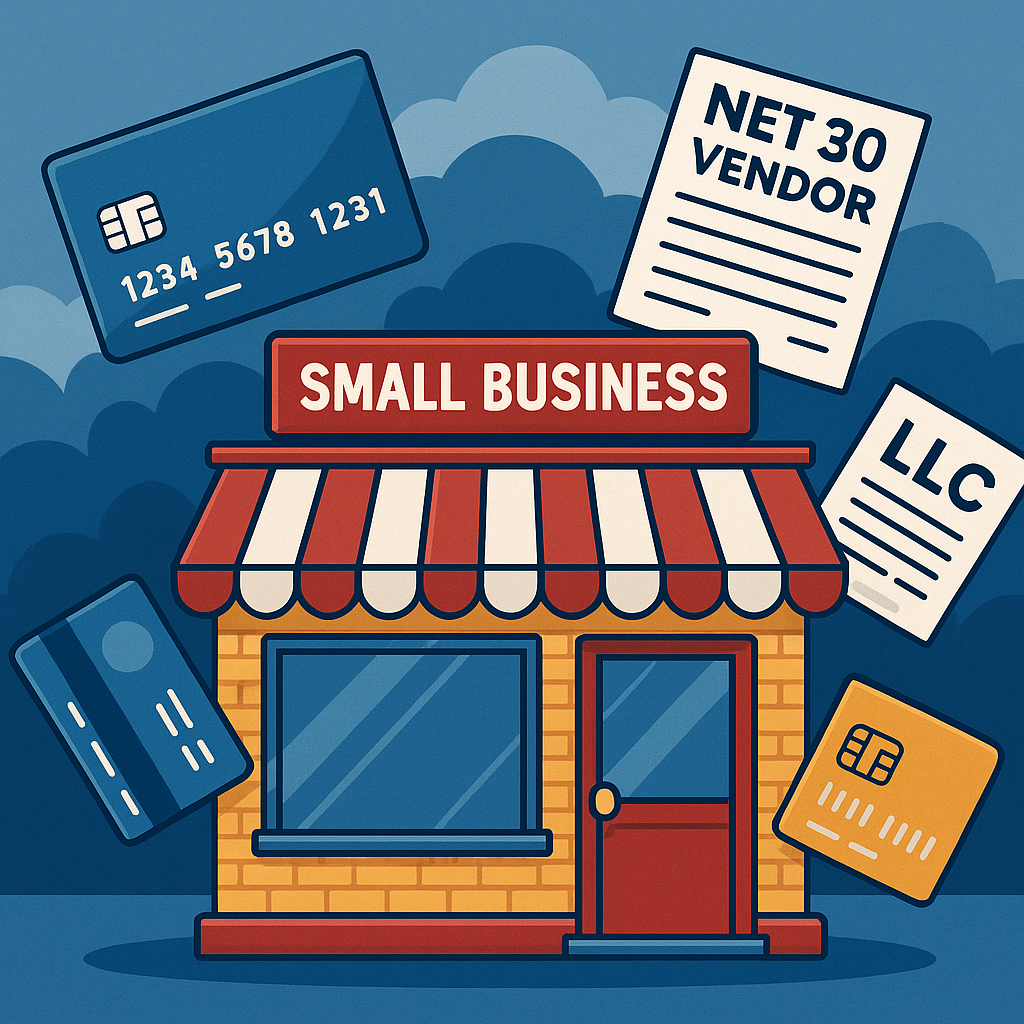
You don’t need a perfect credit score to start a business.You don’t need a $10K loan either. What you need is structure — and the ability to build credit under your business name whileyou’re still cleaning up your personal report. Here’s how to get started — step-by-step — no fluff, no credit check required. 🏗 Step 1: Register the Business Properly You can’t build business credit under a hustle or side gig name. You need a real entity: ● LLC (or corporation, depending on your goals)● EIN from the IRS (like a business SSN)● Business address (virtual or commercial — no PO Boxes)● Professional domain + email (like info@yourbiz.com) 👉 Need help setting this up in 3–5 days? Use our Business Builder Setup to handle the entire formation, branding, and foundation. 🏢 Step 2: Get a Business Address & Phone Number These two things matter more than you think. Vendors and lenders verify your identity through business listings. ✅ Get a virtual address here: 🔗 Alliance Virtual Offices – starting at $50/month ✅ Get a business number with texting: Try Google Voice or a low-cost VoIP setup 💳 Step 3: Open Net-30 Vendor Accounts That Report Net-30s give you 30 days to pay. When used right, they report positive business tradelines toDun & Bradstreet, Experian Biz, and Equifax Biz. ✅ Start with vendors like: ● Shirtsy● Nav● Uline● Summa Office Supplies● Grainger Want one account that builds business and personal credit at once? 👉 Try Nav (business credit monitoring) 🏦 Step 4: Open a Business Bank Account Even if you’re not making money yet — get the account open. This separates personal and business finances and is required for funding. ✅ Bring your EIN + LLC registration + address + phone ✅ Recommended banks: ● Bluevine● Novo● Lili● Local credit unions 🔁 Step 5: Keep Building While Credit Gets Cleaned If your personal score is still under 650, that’s okay. We offer Complete Credit Cleaning in the background while you: ● Build your business credit profile● Establish Net-30 history● Show lender-ready structure By the time your personal credit is ready, your business will be too. 👉 Apply for Flexxbuy Financing if you need startup cash — soft pull only 🧠 Bonus Credit Builders You Can Use Immediately ● Kikoff – No hard pull, $750 tradeline● Credit Strong – Builds savings & credit● Group One Platinum – Instant $750 tradeline● MyScoreIQ Biz Credit Monitoring – Track your D&B and Experian Biz scores 🏁 Final Word Waiting for the perfect score before you start your business is backwards. Start now. Build the foundation.Let DSI clean the credit while we help you build the future. 📲 Ready to launch your business the right way? 👉 Tap into our Business Builder Setup here 📱 Follow DSI for More Credit & Business Playbooks ● TikTok: @designshowinc● Instagram: @designshowinc● Facebook: facebook.com/designshowus● YouTube: DSI YouTube Channel● Linktree: All DSI Links